
Since Labour came to power in July 2024, immigration enforcement has increased dramatically. At the same time, increasingly punitive and complex immigration rules and policies are creating greater insecurity, putting more people at risk of losing their status and becoming subject to immigration enforcement. The government’s plans to expand immigration detention capacity by 40% are part of this wider picture, creating more space to detain people as their lives become increasingly precarious.
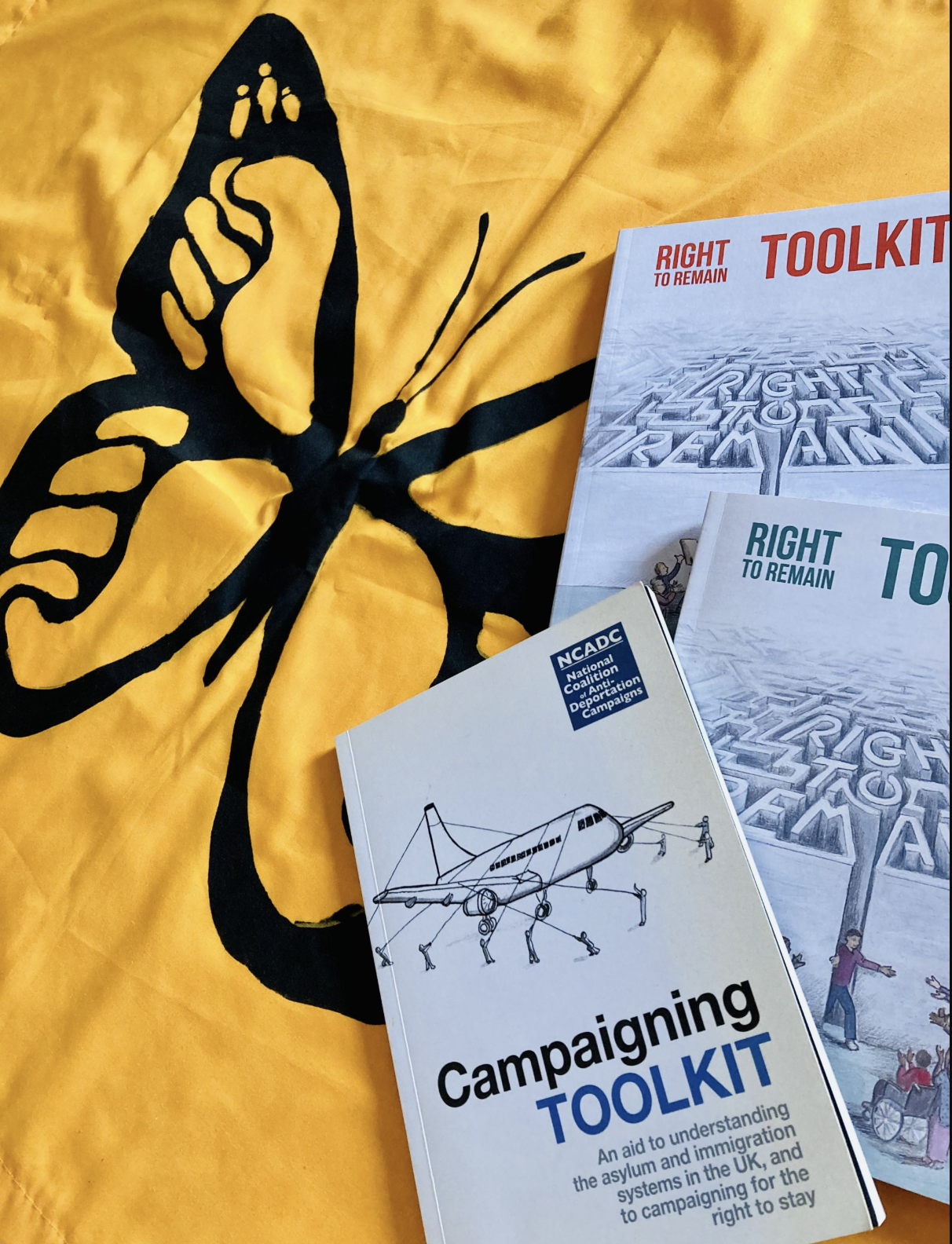
At Right to Remain, we are responding on many fronts: developing resources, running workshops, building connections and organising against immigration enforcement and detention expansion. As part of this work, we have completely rewritten our Toolkit page on removal and deportation and developed it into a new Key Guide: If You Are Facing Removal or Deportation.
Our guide brings together accessible legal information, practical steps and campaigning resources to help people understand their rights, steps they can take, challenge decisions and support one another.
Right to Remain’s roots go back to 1995, when we were born as the National Coalition of Anti-Deportation Campaigns (NCADC). Anti-deportation work is in our bones. We also recognise that immigration enforcement affects whole communities, not just the individuals directly targeted. People want the knowledge and tools to support one another, challenge enforcement and protect their communities. With this in mind, we have revived and updated resources from the original NCADC Campaigning Toolkit.
From our NCADC days to today, one message remains central to our work: your campaign for the right to remain starts from day one. We know it can be frightening to think about the possibility of detention, removal or deportation. But we cannot ignore the reality of what is happening around us. Building knowledge, trust and solidarity takes time. We should not, and frankly cannot, wait until someone is facing the threat of removal to begin organising and taking action together.
What information can you find in the Key Guide?
Like the rest of our Toolkit, the new Key Guide explains complex legal processes in accessible language, with a focus on practical steps people and their supporters can take recognising that people often can’t access legal advice.
- What is the difference between removal and deportation? These terms are often used interchangeably, but they are different legal processes. We explain what each means and when they apply.
- Who may be at risk of removal or deportation? The circumstances in which the Home Office can try to remove or deport someone from the UK.
- What notices must the Home Office give you? The different notices, what they mean, the deadlines that apply and exceptions to the usual 5-working-day notice period.
- How can you ask for more time? Steps to request additional time to find legal advice, gather evidence or take legal action.
- When can the law stop someone from being removed? How asylum claims, appeals and other legal barriers can prevent removal, and when they do not.
- What can you do to challenge removal or deportation? Practical ACTION sections explaining what steps you can take, including when you do not have a lawyer.
- How can you prepare for immigration detention? Important documents to organise, plans to make and steps trusted people can take if you are detained.
- How can people organise against removal and deportation? Campaigning tools and examples, including contacting MPs, challenging removals through airline campaigns and organising community action.
We also share real examples of campaigns that have challenged and stopped removal attempts, including the #FreeFatou campaign, which stopped three removal attempts in 2025.

If you have any feedback on how you have used this Key Guide please contact our Lead Legal Education Officer Ally, ally@righttoremain.org.uk












Discussion: