
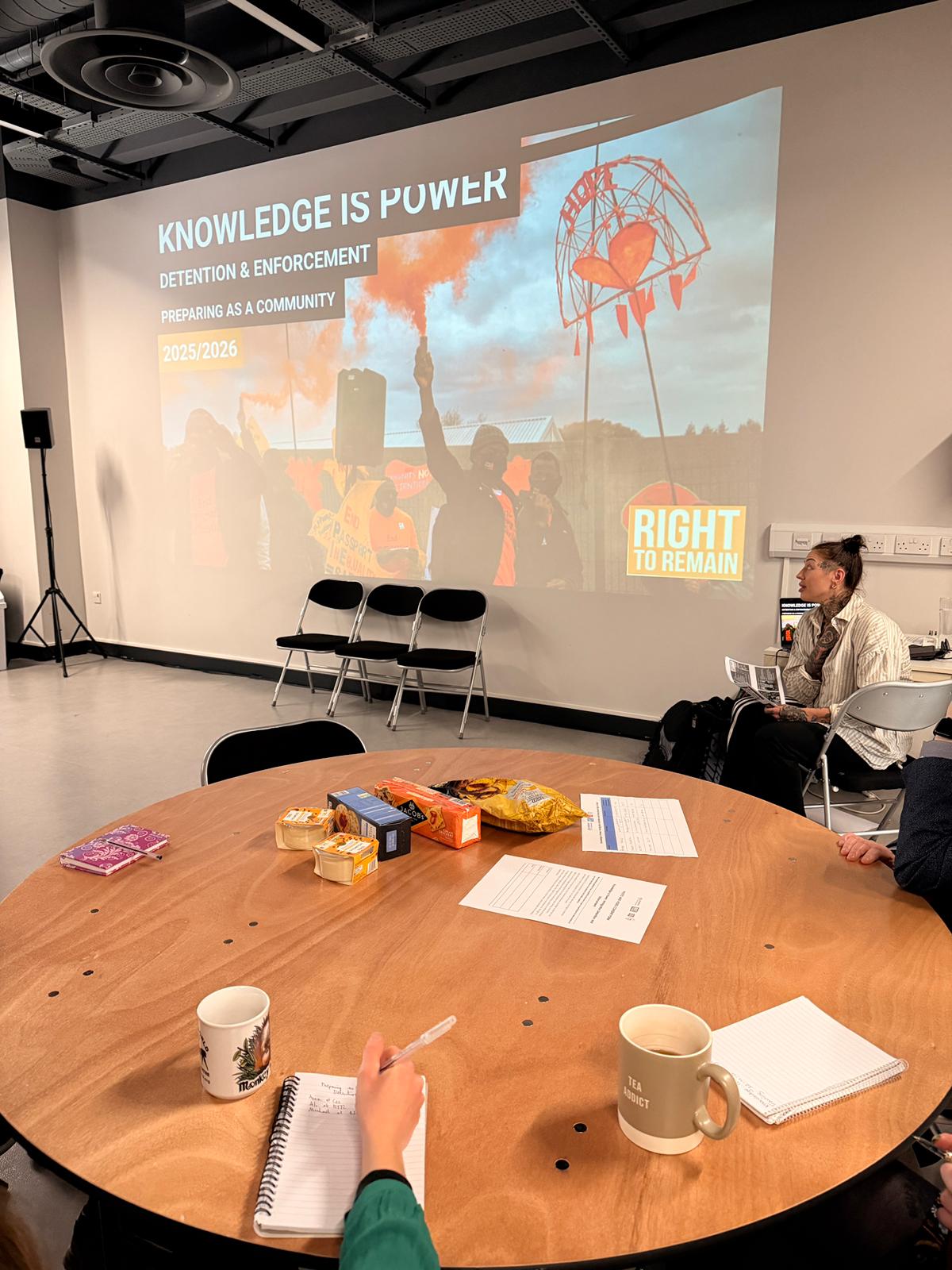
At Right to Remain, we have been focusing our workshops on how communities can prepare for and protect one another against the increasing use of immigration enforcement. Since Labour came into power in July 2024, immigration raids have increased by 77% and the detention estate is expanding. At the same time, people are being pushed into more and more insecure positions – it is harder to get status, harder to keep it, and harder still to even understand what the rules are. Costs are higher, routes are longer, grants of status are shorter, and people are left waiting in limbo while applications, renewals and appeals crawl through the system.
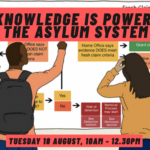
Since December 2025, we have delivered three online Knowledge is Power sessions on detention and enforcement. Each session consists of a three-hour interactive workshop on Zoom, with a maximum of 35 people, allowing enough space for discussion, practice and connection. We aim for the sessions to be practice-based spaces where people can think collectively, work through realistic scenarios, build confidence speaking about difficult issues, and strengthen the relationships that help communities prepare and respond before, during and after crises.
We have also been speaking to groups in-person about detention and enforcement and we are grateful to the groups and organisations that have invited us to be part of larger conferences in March, including Migration Yorkshire VCS Engagement Day, NACCOM’s Annual Conference and our own annual gatherings which took place in Leeds and Birmingham in February. In April, we were also invited to deliver a session in Bradford as part of the Paths to Power programme organised by Racial Equality Network and Bradford City of Sanctuary. the program also includes sessions on protest rights, employment rights, health rights, defeating the narratives of division, solidarity, and using the law to challenge the state.
What do the sessions cover?
It is important to name the serious harms caused by immigration detention, which have been repeatedly evidenced through official inspections, monitoring reports, public inquiries and people’s own testimony: the damage caused by having no statutory time limit on how long someone can be held; mental health crisis, self-harm and deaths in detention; use of force, restraint and handcuffs; prison-like conditions; poor access to legal advice and healthcare; failures to identify and protect vulnerable people; language barriers and poor access to interpreters; separation from family, community and support; transfers far from visitors and legal advisers; and poor staff culture, including dehumanising treatment and racism. However, the focus of our Knowledge is Power sessions is not only on naming harm, but identifying what we can do together – such as recognising and reducing risk, understanding and asserting rights, and making community safety plans. We look at how people can understand when detention may be more likely to happen, what practical steps can be taken before a crisis hits, and how communities can prepare and respond together.
We learn by doing. In one activity, participants work through a fictional safety plan for Ahmed, who has been refused asylum, has an in-person reporting appointment coming up, and is worried he may be detained. The fictional scenario gives more detail about Ahmed’s situation and life, because we are talking about human beings and not just “an immigration issue”. As part of the activity we ask: What makes detention more or less likely in this situation? What currently is in place that keeps them safer? What would you put in a safety plan before the next reporting event? We then move the scenario forward: Ahmed calls from the reporting centre and says he has been detained. We ask participants to work together to think through how to respond in that moment, including what to say first, what information is needed, what can wait, and what the next steps might be.
We do this work together because it is not for any one person to carry alone. We all have a role to play, and we encourage participants to draw on the different strengths, relationships and experiences they bring into the room. Some people may have legal knowledge, some may know local groups, some may be good at staying calm in a crisis, and some may know how to organise, care, translate, document or connect people. We also believe we need to practice talking about these things before they happen: feeling the words in our mouths, noticing the panic that may arise, and finding ways to stay steady enough to think, ask questions and act.
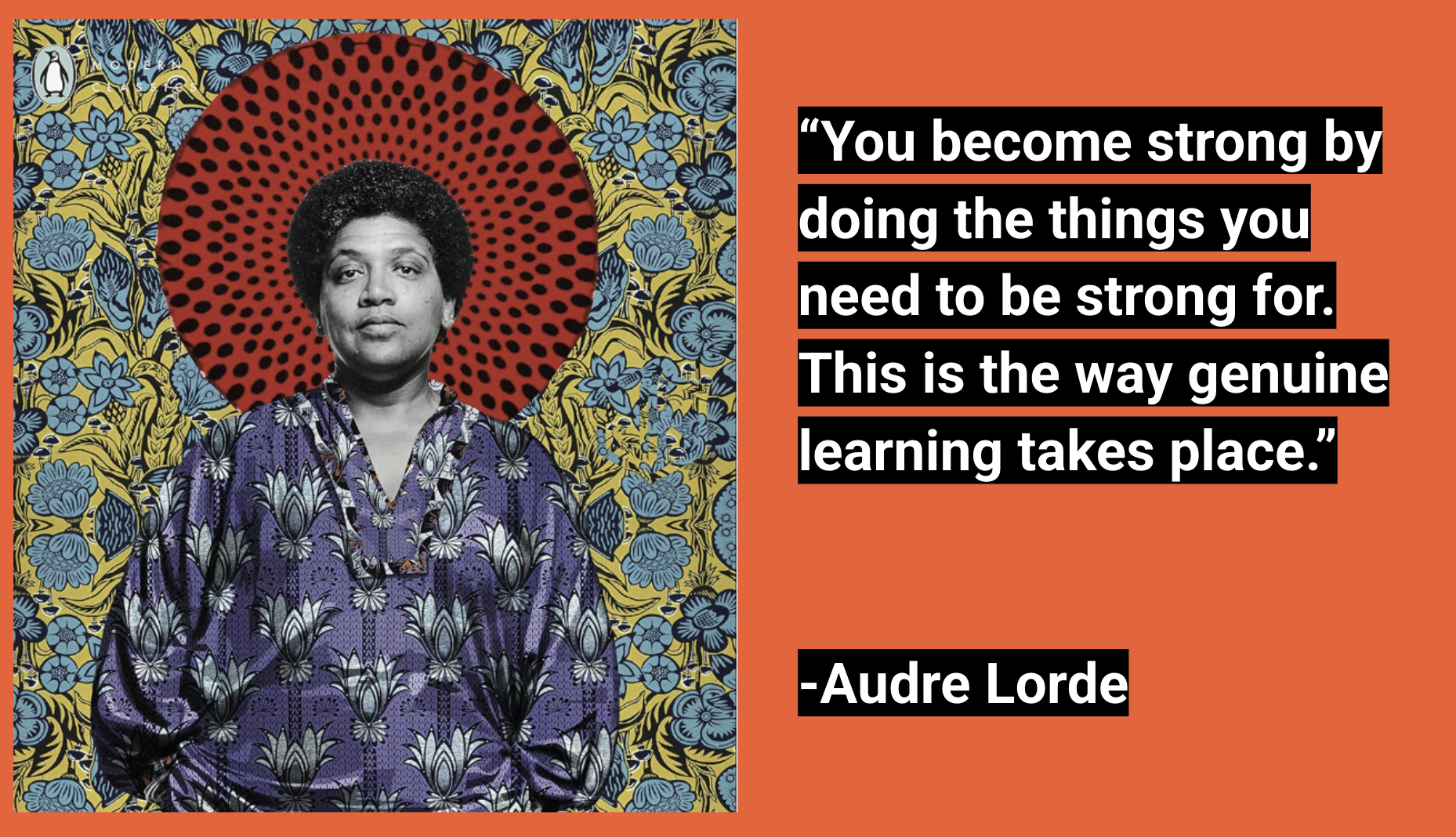
Recently we have been closing many of our workshops and meetings with the following quote by Audre Lorde: “You become strong by doing the things you need to be strong for. This is the way genuine learning takes place”. We hope our workshops are a space to find strength in each other and to practise hope as something active – something we build through the work of preparing together, building knowledge and confidence to use our rights, and remembering that we do this work in radical solidarity with each other.
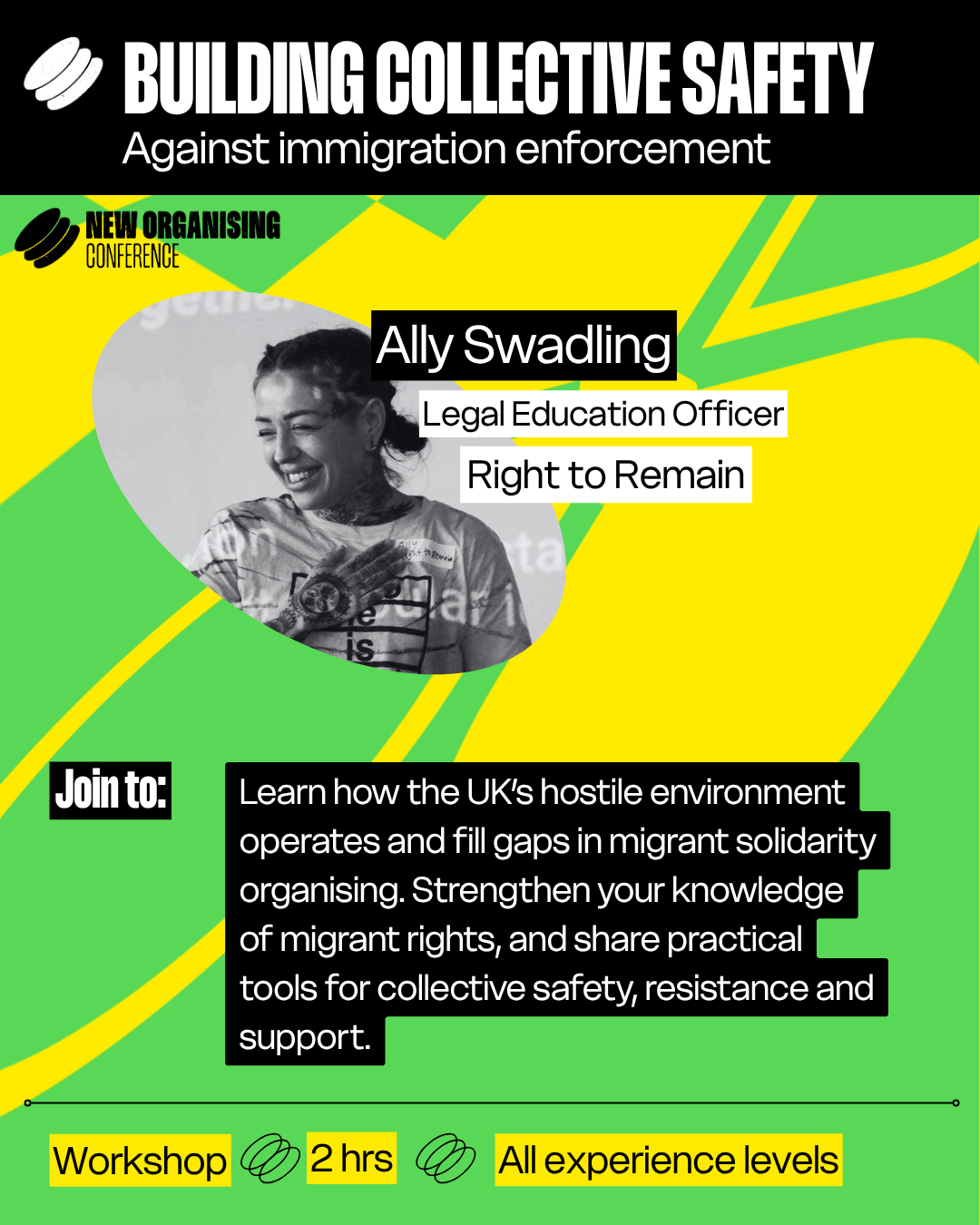
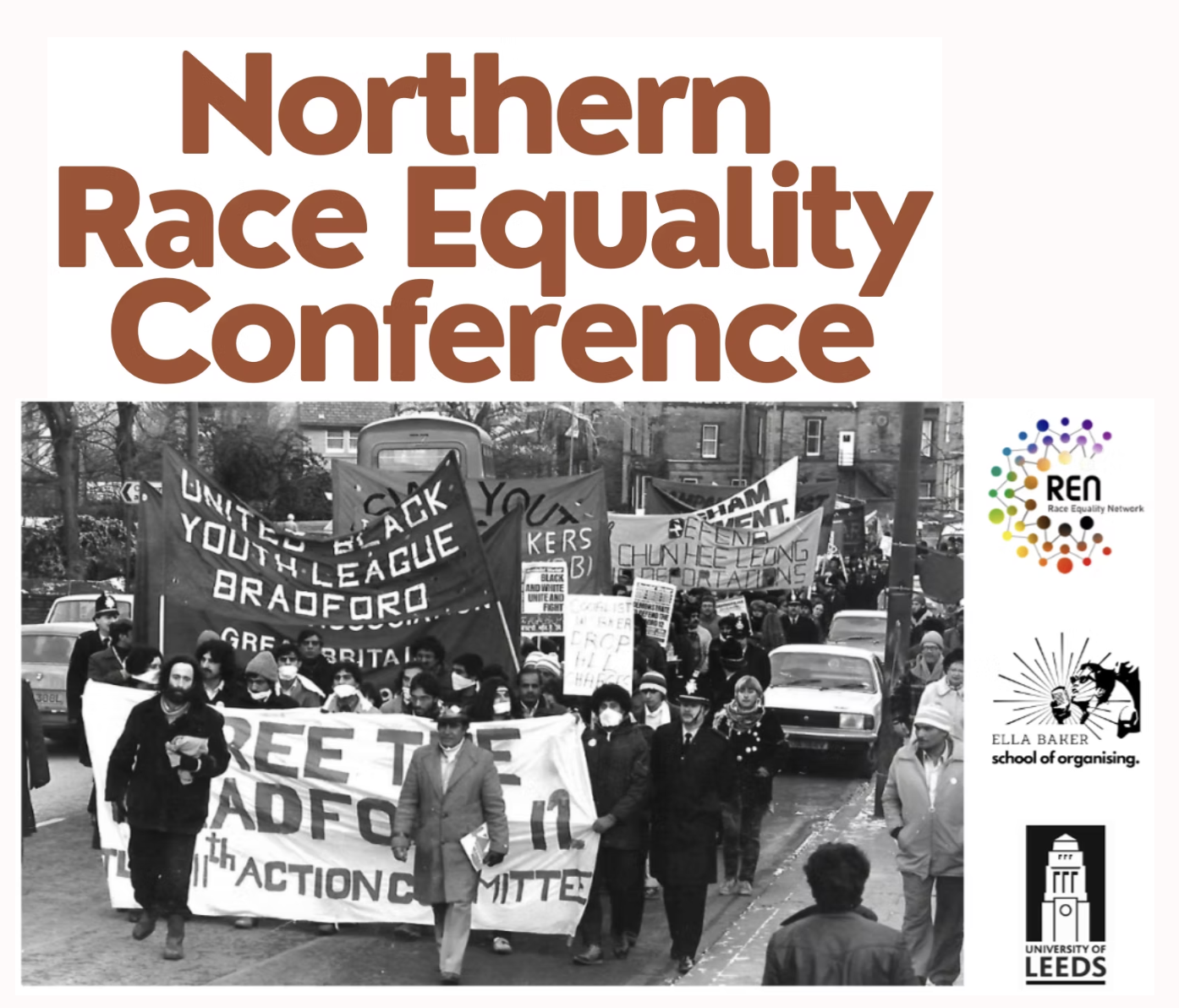
In addition to Knowledge is Power, we will also be delivering sessions on Detention and Enforcement as part of the Northern Race Equality Conference in June and the New Organising Conference in August.






Discussion: