
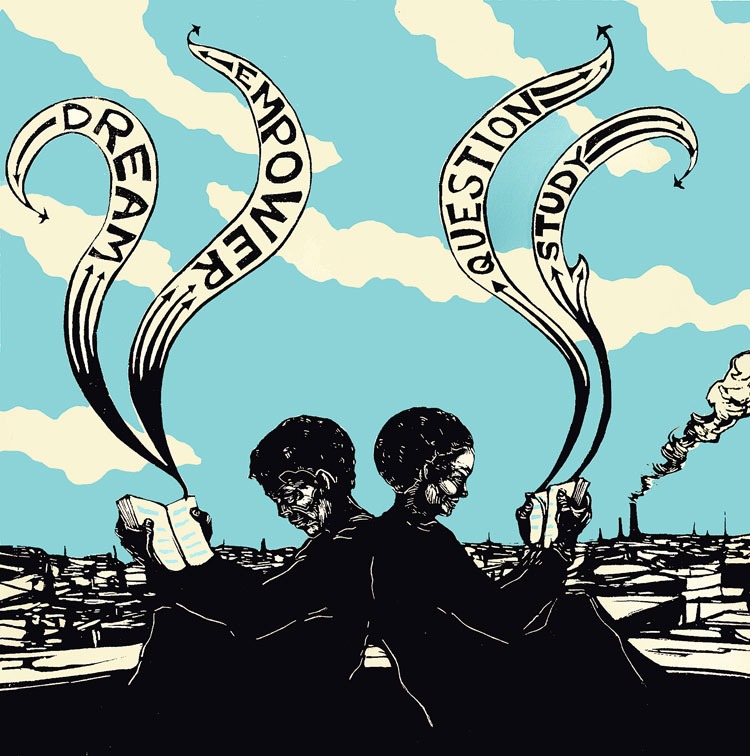
We are pleased to finally share our new Young Person’s Key Guide: Finding your way as a young person in the asylum and immigration system.
This guide has been written for children and young people who are in the UK without a parent or carer, and who are trying to understand the asylum and immigration system. Some parts may also be useful for young people who are here with family, or for adults supporting young people through the process.
The guide builds on the groundbreaking Young Asylum Guide, and brings this work into the main Right to Remain Toolkit. It has been written in collaboration with Social Workers Without Borders, and shaped by the knowledge, experience and care of organisations, practitioners and young people themselves. In particular, a huge thank you to PAFRAS and the young people for their invaluable contribution and heartfelt guidance for other young people going through the asylum system.
We explain the history of the Young Asylum Guide and why we have made these changes in more detail here.
This is the first version of the Young Person’s Key Guide. As with the Right to Remain Toolkit, it is a living document that belongs to all of us and will continue to change and grow with the knowledge, experience and feedback of the communities and people who use it.
If you have feedback, suggestions or updates, please contact Ally Swadling, our Lead Legal Education Officer, at ally@righttoremain.org.uk
Why this guide matters
The asylum and immigration system is confusing for everyone. For young people, it can be especially overwhelming. Young people are forced to navigate a system that is hostile, isolating and difficult to understand, during a time we can all remember – when our bodies and minds are changing quickly, when we are learning what the world means, where we fit, who we can trust, and who we want to become.
Since 2021, the situation for young people in the asylum system has also changed in important ways. In particular, there has been a huge increase in age disputes with more children being treated as adults or going through difficult age assessment processes. The guide tries to respond to these realities.
We know that childhood and young adulthood are not just stages we simply pass through. What happens during these years shapes our confidence, safety, relationships, education, health and sense of belonging, long into adult life. For young people going through the asylum and immigration system, these experiences are happening in a new country, often while they are separated from family, learning a new language, missing home and everything home can mean, trying to understand unfamiliar systems, and waiting for decisions that affect their whole future.
Young people may also be watching friends and peers move through ordinary milestones, like school, college, work, family life and independence. Some of those peers may also be in the asylum or immigration system whose situations may feel similar to their own, but they may still experience wildly different waiting times, different levels of support, different allowances, and different responses from adults and services.
It is hard to swallow, at any age, how unfair and arbitrary the system can be. But it can be especially painful during such a formative time of life, when young people are trying to understand themselves, their place in the world, and what kind of future is possible.
In the opening message to young people reading the Key Guide, we write something that is worth repeating here:
You deserve safety, care, and the chance to enjoy life as a young person. Sadly, not everyone in the system will see this or treat you fairly. That is not your fault. You are not alone. Many others have been through the same process and found ways to keep going. Stay strong, ask for support, and remember your voice matters.
What the guide covers
The Young Person’s Key guide is practical. It explains the asylum process, but it also helps young people understand the people, organisations and decisions they may come across along the way.
It includes sections on:
- people and organisations you might meet, and what decisions they can and cannot make
- what to expect from important people like lawyers, social workers, Personal Advisers, interpreters and advocates
- what happens when you first claim asylum
- what to do if the Home Office or local authority says you are over 18
- what to do if you are under 18 and placed in a hotel for adults
- what happens during an age assessment, and what to do if you want to challenge one and finding a way forward if your age is not accepted (this has been written to complement the incredible work of Childhood First Age Assessment toolkit for practitioners and young people)
- what happens in interviews, evidence forms and Home Office decision-making
- what can happen after a decision, whether that decision is positive or negative
- what happens if your asylum claim is refused, including appeals and other legal challenges
- your rights in the UK, including education, health, work, volunteering and bank accounts
- interacting with police and immigration officers
- racism, hate crime, reporting and immigration detention
- care and support from Children’s Services, including where you might live, meetings, turning 18, and care leaver support
- How to use your voice in meetings
- other immigration issues that may matter, including settlement, citizenship, family and private life, medical or human rights applications, and voluntary return
Moving the guide into the main Toolkit also means that every page can be translated (use the Google Translate bar in the top left hand corner) and links to the main Toolkit throughout.
Built from young people’s experiences
One of the first sections of the guide shares messages from young people who have worked with PAFRAS, a grassroots organisation based in Leeds, and who have already been through the asylum process.
They spoke about waiting, loneliness, uncertainty, learning English, missing family, trying to understand letters, and not always knowing who to ask for help. Their advice to other young people is practical and powerful: ask questions, keep documents safe, ask for an interpreter if you need one, and remember that you are not alone.
They also remind us of something very important: even when life may be safer in the UK, the asylum process can still be difficult, frightening and isolating but there can be hope, strength and power found in community and connection.
For young people, and for the adults supporting them
As with the whole Right to Remain Toolkit, this guide is not a passive resource. It is not just a link to share and then leave someone to work through alone.
Sit down with young people and read sections together. Use it to give legal support. Use it to prepare for appointments, understand letters, make plans, ask questions, and think about what might happen next.
The guide is most useful when it is used alongside people. As we keep saying at Right to Remain: solidarity is a verb!







Discussion: