
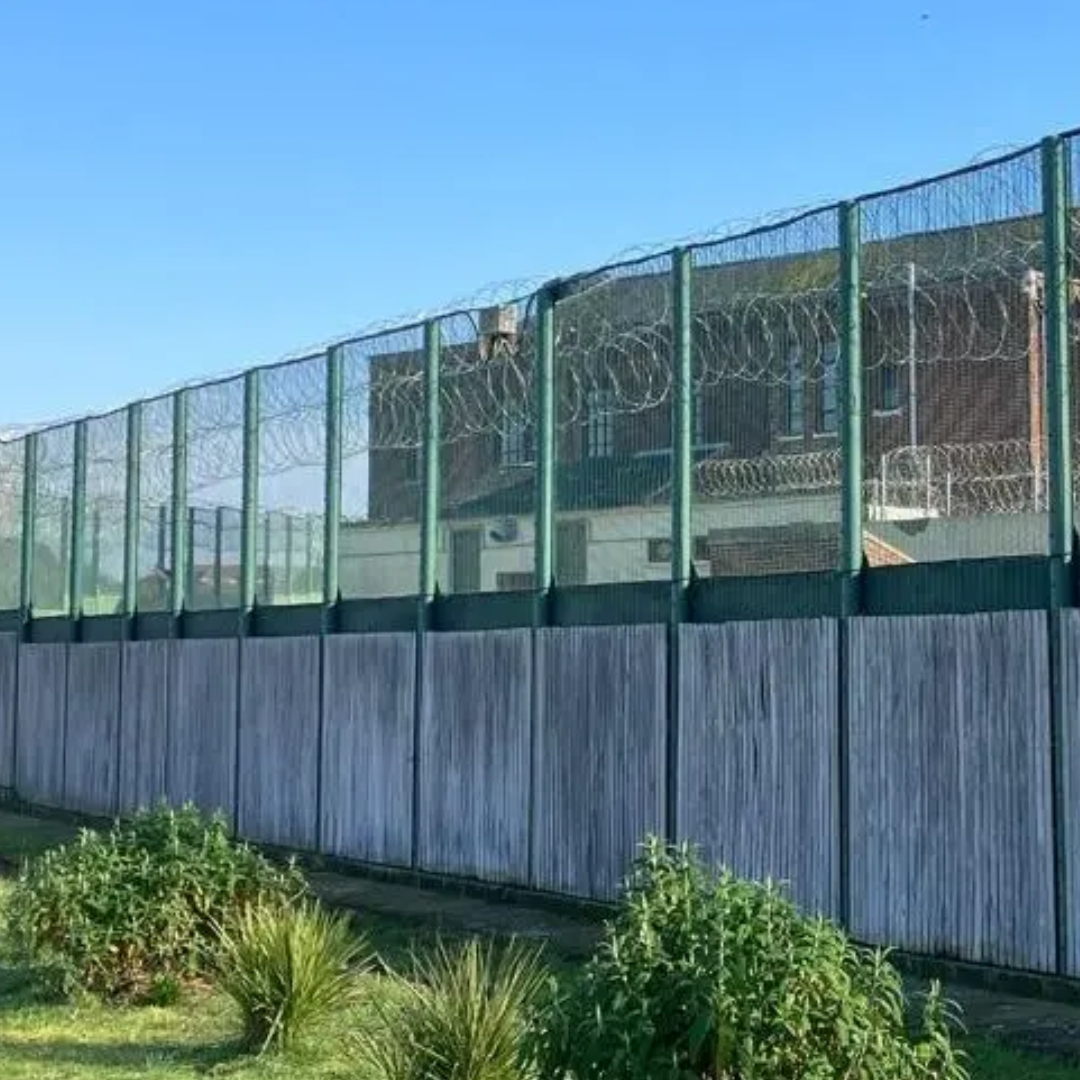
At Right to Remain, we have recently been working with the Close Campsfield Coalition to object to the expansion of Campsfield House Immigration Removal Centre, which reopened in December 2025. As part of preparing our joint submissions, we have had to engage with the new Crown Development Route. This is a national planning process for Crown development. It means these applications are handled by the Planning Inspectorate, rather than decided in the usual way by the local planning authority. Local people and organisations can still object, but the local community does not have the same decision-making route available through the local council
On Tuesday 21 July, I went onto the Inspectorate website to add our written submission and my heart sank as I saw that the Home Office had made yet another application, this time to expand Haslar Immigration Removal Centre in Gosport, a seaside town west of Portsmouth Harbour. The Home Office wants Haslar to be expanded to hold 600 people. The consultation is open now to make objections with a deadline of 6 August 2026 at 11:59pm. Unlike Campsfield, which had a consultation window of 6 weeks, there have only been 4 weeks for people to object.
Haslar has a long history as a place of detention. It held people under immigration powers from 1989 and was formally redesignated as an Immigration Removal Centre in 2002. It closed in 2015. The site has been the subject of serious concerns over the years for its poor conditions.1
Now the Home Office is trying to bring Haslar back, and make it much bigger.
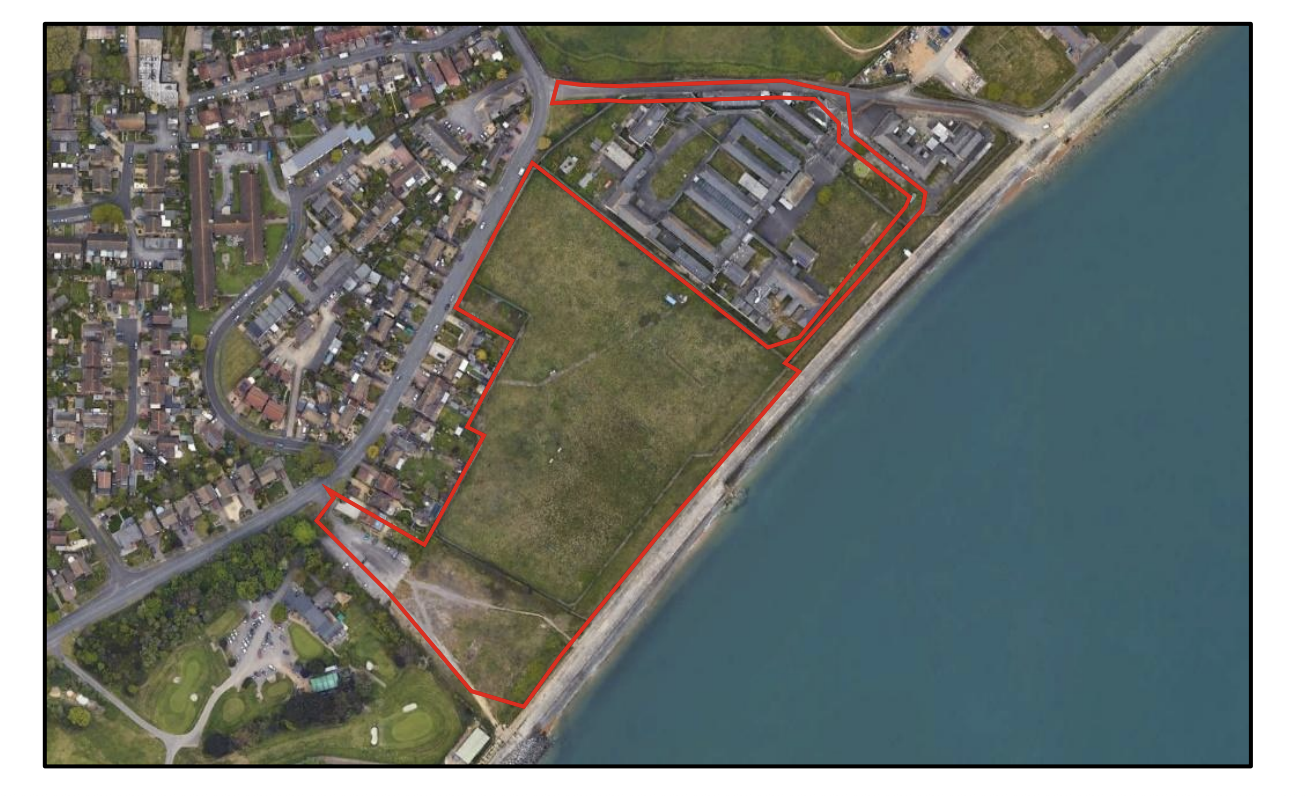
What’s different to Campsfield is that Haslar IRC has not even reopened yet. The Home Office’s own Planning Statement says the refurbished IRC is expected to open in 2027 with a maximum operational capacity of 130 detained people. But the Home Office is already asking for permission to add 470 extra places and expand this not-yet-operational centre into a 600-bed IRC.
This means the Home Office is asking the Planning Inspectorate to approve a very large expansion before the first phase has even been tested in practice. There is no current operational evidence from the reopened Haslar site about occupancy, staffing, healthcare, emergency response, transport movements, flood evacuation, community impact, legal access, protest management, or the effect of the refurbished centre on local services and residents.
How can we oppose the Haslar expansion?
Like Campsfield, the Haslar consultation is part of a planning process. This means the Planning Inspectorate will focus mainly on planning issues, not on whether immigration detention should exist at all.
For Haslar, key planning issues include flood risk, coastal safety, emergency evacuation, open and greenfield land, heritage, ecology, public access to the coast, traffic, parking, local services, withheld information, and whether the Home Office has properly evidenced the need for 470 additional detention places at Haslar specifically.
Anyone can submit objections. This is not just a local issue for Gosport. People detained at Haslar could be taken from anywhere in the UK, and people released from Haslar could return to communities anywhere in the UK. The harm of detention is felt by entire communities who are left to pick up the pieces. The impact of Haslar is felt by all of us.
We have developed template objection to the Haslar expansion to help people make meaningful objections, as we have done for Campsfield.
Join the online meeting on 29 July
On 29 July, Right to Remain and These Walls Must Fall campaigners will host an online meeting about the proposal, the planning process, and how we can build effective opposition.
At this meeting, we will:
- explain the Home Office’s plans to expand Haslar and why they matter
- outline the planning consultation process and the key issues people can raise in their objections
- share practical guidance on how individuals and organisations can submit objections before the consultation deadline
- provide space for questions, discussion and connection
This is not just another consultation
It is understandable if people feel overwhelmed by another consultation, another deadline, another request to respond. Campsfield and Haslar are different to all the policy consultations we’ve seen recently. These are live planning processes about specific applications – not broad policy consultations. Written objections go into the process the Planning Inspectorate uses to decide whether the expansion should be approved, refused, or tested through written representations, a hearing or an inquiry. The Planning Inspectorate says written representations will be considered by Planning Inspectors before a decision is made, and that the Inspector will use the evidence to write a formal decision notice which must explain the reasons for the decision.
That does not mean objections will automatically win. But it does mean this is a concrete procedural opening, and we should be using it. Objections can challenge the Home Office’s evidence, raise planning harms, expose gaps in the application, support the case for refusal, and strengthen the argument that the application should go to a full public inquiry if it is not refused at this stage.
Detention is not a side issue – it affects all of us
At Right to Remain, we have been focusing on how communities can prepare for and protect one another against the increasing use of immigration enforcement. Since Labour came into power in July 2024, immigration raids have increased by 77%, with arrests increasing by 83%. The detention estate is also expanding: the government has said the Haslar and Campsfield projects will contribute to a 40% increase in detention capacity.
At the same time, people are being pushed into more and more insecure positions. It is harder to get secure status, harder to keep it, and harder still to understand what the rules are. The new Prime Minister, Andy Burnham, voted for the Immigration and Asylum Bill and publicly backed the expansion and use of immigration detention.
We talk about the harm of detention, but what does it actually mean to be detained?
It means being taken, often without warning, from your home, your bedroom, your children, your partner, your family, your friends, your pets, your routine, your job, your phone, your hobbies, your studies – all the things that make up the rich fabric of our lives, which cannot and will not ever be defined by something as arbitrary as immigration status.
It means being locked up, monitored and isolated, often with no clear end date. It means trying to understand your case, gather evidence, contact a lawyer, apply for bail, challenge removal, manage your health, and stay connected to your people from inside a system designed to cut you off. 2
And for what? Even on the Home Office’s own figures, in the year ending March 2026, just under half of people leaving detention were returned from the UK. That means most people leaving detention were not removed. They were released back into communities, often after being harmed and destabilised by the experience of detention with the harm felt by families, communities, local services, schools and workplaces having to hold people together.
At our online meeting to discuss the Campsfield expansion plan, These Walls Must Fall, a network of lived-experience campaigners challenging the injustice of the asylum and immigration system, issued a statement urging everyone to oppose immigration detention. They said:
‘Many of us have lived through this system ourselves. We have seen our friends taken into detention and later return to our communities carrying deep trauma. They come back with damaged mental health, fear and anxiety. Some are no longer the same people they were before detention. No human being should be subjected to that.’
Every one of us has an obligation to act to stop this harm.
We will be sharing more information about a template and how you can act as soon as possible!
— Ally Swadling, Lead Legal Education Officer
- Haslar has a long history as a place of detention. It held people under immigration powers from 1989 and was formally redesignated as an Immigration Removal Centre in 2002. It closed in 2015. The site has been the subject of serious concerns over the years for its poor conditions. ↩︎
- These are not hypothetical concerns. Bail for Immigration Detainees has found that access to legal
representation for people in detention has fallen to the lowest level BID has ever recorded. Independent Monitoring Boards have also raised serious concerns about systemic failings across immigration detention, including avoidable harm, failed safeguards, prolonged detention, use of force, isolation, self-harm and suicide attempts. ↩︎











Thanks for putting all of this together, its very important.
Yes it is a big step forward in campaigning approach and material and solidarity in action!