
Last updated: 10 August 2026
Claiming asylum means asking the UK for protection because you believe it would not be safe for you to return to your country.
The Home Office is part of the Government that controls borders and decides asylum claims in the UK. While it is deciding your claim, your immigration status may be described as an asylum seeker. If your claim is accepted, you may be granted refugee status, humanitarian protection, or another type of permission to stay.
“Asylum seeker” and “refugee” are legal terms. They describe a person’s immigration status, not who they are. On this page, we usually use person-centred language such as people seeking asylum, people with refugee status, or people going through the asylum and immigration system.
This page explains the main legal questions the Home Office will consider when deciding an asylum claim.
On this page, you will find the following information:
- What is an asylum claim? including,
- Why are you at risk?
- Who are you at risk from and can your country protect you?
- What if the risk began after you left your country? (‘Sur place’ claims)
- Could you live safely somewhere else in your country? (internal relocation)
- Humanitarian protection (widespread violence)
- How the Home Office decides asylum claims
- Exclusion from international protection
Click on the buttons below for translated summaries of this page:
Video in other languages:
What is an asylum claim?
An asylum claim is a request for the UK to recognise you as a refugee and protect you from being returned to a country where you fear persecution.
The 1951 Refugee Convention is an international agreement. It explains who can be recognised as a refugee and what protection countries must provide. The UK has agreed to follow it.
In the UK, the Home Office decides asylum claims. It is the government department responsible for immigration and borders.
The Home Office will consider several connected questions
| Question | What this means |
| Are you outside your country? | Refugee protection is for people who are outside their country of nationality or, if they do not have a nationality, the country where they normally lived. |
| What do you fear will happen if you return? | There must be a well-founded fear of persecution. This means there must be a real risk of serious harm. |
| Why would you be at risk? | The persecution must be connected to your race, religion, nationality, political opinion or membership of a particular social group. |
| Who are you at risk from? | The risk may come from the government, another organisation, your family, your community or another person or group. |
| Can the authorities protect you? | You may need to show that the authorities in your country cannot or will not protect you. |
| Could you live safely somewhere else in your country? | The Home Office may consider whether you could safely and reasonably live in another part of your country. This is called internal relocation. |
| Is there a reason you could be excluded from protection? | In some circumstances, a person may be excluded from refugee protection because of very serious conduct or crimes. |
These legal questions can be complicated. You do not need to memorise the legal words before claiming asylum. The following sections explain each part in more detail.ncepts that you should understand before claiming asylum. Keep reading to learn more.
Well-founded fear
To be recognised as a refugee, you need to show that there is a real risk that you would face persecution if you returned to your country. Persecution means serious harm or mistreatment for one of the reasons protected by the Refugee Convention. This is explained in more detail below.
You do not need to show that persecution would definitely happen.
If you have experienced persecution in the past, this can be strong evidence that you may be at risk again. However, the Home Office will still consider whether there is a future risk of persecution if you return.
Your own account is evidence. This includes what you say in your interviews and in written statements about what happened to you and what you fear may happen if you return.
You can also provide other evidence that supports your account, where this is available. This might include documents, messages, photographs, medical evidence, witness statements or information about the situation in your country. You do not always need documents to show what happened to you.
Evidence can be complicated, and different evidence may be useful in different cases. Read our Toolkit page about evidence to learn more.
Persecution
InPersecution means harm or mistreatment that is very serious.
It may be:
- one very serious act;
- harm that happens more than once; or
- different forms of harm or mistreatment which become very serious when considered together.
Persecution can take many forms. It may include:
- physical or mental violence, including sexual violence;
- laws, police action or court processes that discriminate against you;
- punishment that is unfair, discriminatory or much more severe than the offence;
- being denied access to justice or legal protection; or
- punishment for refusing military service where that service would involve war crimes or other very serious crimes.
This is not a complete list. Other forms of harm may also amount to persecution.
Is discrimination persecution?
Discrimination means being treated unfairly because of who you are, what you believe, or how other people see you.
Not all discrimination amounts to persecution. However, discrimination may become persecution if it is very serious, happens repeatedly, or different forms of discrimination build up and have a severe effect on your life.
For example, being prevented from working, studying, accessing healthcare or living safely may amount to persecution when the treatment is serious enough or when these harms are considered together.
Why are you at risk?
To be recognised as a refugee, the persecution you fear must be connected to at least one of the five reasons in the Refugee Convention:
- race, which can include your ethnicity;
- religion;
- nationality;
- political opinion; or
- membership of a particular social group.
You do not need to actually have the characteristic or belief that puts you at risk. It can be enough that the person or group who may harm you believes that you have it.
For example, you may be at risk because people believe that you are gay, even if you are not. You may also be at risk because someone believes that you support a political group, even if you have never been a member.
The Home Office will consider what you think may happen if you return, who may harm you, why they may target you, and what has happened to you or to people in a similar situation in the past.
Your own account is evidence. The section below explains more about other evidence that may support your asylum claim.
If you face a real risk of very serious harm, but the risk is not connected to one of the five Refugee Convention reasons, the Home Office should consider whether you qualify for humanitarian protection. This is explained below.
Particular social group
Membership of a particular social group is one of the five reasons for persecution protected by the Refugee Convention.
This is a complicated area of asylum law. A particular social group may be based on a characteristic or experience shared by a group of people. This may include, for example, sex, gender, sexual orientation, gender identity, family relationships or a shared past experience.
For asylum claims made on or after 28 June 2022, a group must meet both parts of the legal test:
- Members of the group must share:
- a characteristic they were born with;
- a shared background that cannot be changed; or
- a characteristic or belief that is so important to who they are that they should not be forced to change or hide it.
- People in the relevant country must see the group as different from the rest of society.
For example, a group may be treated as different because of social attitudes, discrimination, laws or the way the authorities respond to them.
Gender and sexual orientation are not separate reasons listed in the Refugee Convention. However, a claim connected to gender, sexual orientation or gender identity may come under membership of a particular social group.
Meeting the definition of a particular social group does not automatically mean that you will be recognised as a refugee. You must also show that you have a well-founded fear of persecution because you belong, or are believed to belong, to that group.
The definition of a particular social group can depend on the facts of the individual case, the situation in the country and relevant legal decisions. Try to get legal advice if you can.
Who are you at risk from and can your country protect you?
The person or group you fear may be part of the government. This could include:
- the police;
- the army or security services; or
- government officials.
If the government or its officials may harm you, you may not be able to ask the authorities in your country for protection.
The person or group you fear may also be someone who is not part of the government. This could include:
- a member of your family or community;
- a gang or armed group;
- a religious or political group;
- a trafficker; or
- another person or organisation.
People and groups that are not part of the government are sometimes called non-state actors.
If you are at risk from a non-state actor, the Home Office will consider whether the authorities in your country can and will protect you. This is called state protection.
It is not enough that your country has laws against the harm you fear. The Home Office should also consider whether the authorities use those laws and whether their protection would be effective.
You do not always need to have asked the police or other authorities for help. There may be good reasons why asking for help was dangerous, impossible or unlikely to protect you. You should explain these reasons and provide any evidence that is available.
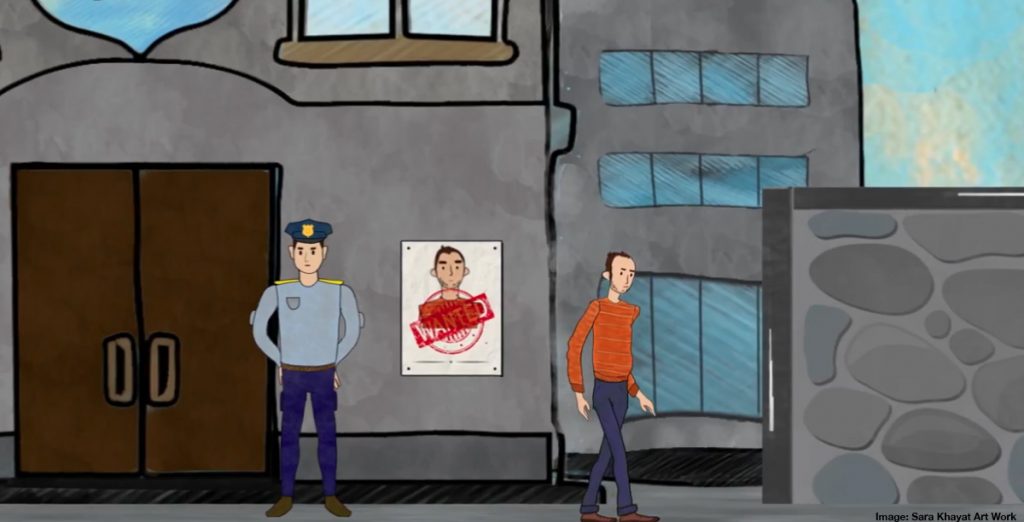
What if the risk began after you left your country? (Sur place claims)
Sometimes a person becomes at risk because of something that happens after they leave their country. This is called a sur place claim.
The risk may arise because:
- the situation in the country has changed;
- the person has taken part in political activities;
- the person has changed their religion or started practising their religion openly;
- the person has come out as lesbian, gay or bisexual; or
- the person has begun living openly in relation to their gender identity.
For example, a person may speak publicly against their government after leaving their country. If the government learns about this, the person may be at risk if they return.
Another person may only feel safe enough to come out after reaching the UK. They may be at risk if people in their country learn about their sexual orientation.
The Home Office will consider what has happened since you left your country and whether this creates a real risk of persecution or serious harm if you return.
Could you live safely somewhere else in your country? (internal relocation)
The Home Office may accept that you would be at risk in one part of your country. However, it may decide that you could live safely in another part of the country. This is called internal relocation.
The Home Office must consider two questions:
- Would you be safe from persecution or serious harm in that place?
- Would it be reasonable for you to travel there and live there?
The Home Office should consider your personal circumstances and the situation in that part of the country.
For example, it may consider:
- whether the person or group you fear could find you there;
- whether you could travel there safely;
- your age, health, disability or gender;
- whether you have family or other support there;
- whether you could find safe housing;
- whether you could meet your basic needs;
- discrimination you may experience; and
- any other risks you may face.
A place is not suitable for internal relocation only because you may be safe from the person or group you fear. The Home Office must also consider whether it would be reasonable for you to live there.
You should explain why you would not be safe there, or why living there would be extremely difficult in your circumstances. Provide evidence where this is available.
The legal term “unduly harsh” is sometimes used. This means that expecting you to live in that part of the country would be unreasonable because of the difficulties or risks you would face.
Humanitarian protection
The Home Office must first consider whether you qualify for refugee status.
You may not qualify for refugee status if the harm you fear is not connected to one of the five reasons in the Refugee Convention. However, you may still qualify for humanitarian protection if there is a real risk that you would experience serious harm if you returned to your country.
Serious harm may include:
- the death penalty or execution;
- unlawful killing;
- torture or inhuman or degrading treatment or punishment; or
- a serious threat to your life because of widespread violence during a war or armed conflict.
The legal test for humanitarian protection is strict. The Home Office will consider your personal circumstances and the situation in your country.
If you are granted humanitarian protection, you will be allowed to stay in the UK. Read our Toolkit page about humanitarian protection to learn more
How the Home Office decides asylum claims
The Home Office will look at all the information it has about your asylum claim. This may include:
- information you give when you register your claim;
- what you say in a screening interview or merged registration interview;
- what you say in a substantive asylum interview
- any forms or written statements you provide;
- documents and other evidence; and
- information about the situation in your country.
The Home Office should consider your claim individually. It will decide:
- whether there is a real risk that you would face persecution;
- whether the persecution is connected to one of the five reasons in the Refugee Convention;
- whether the authorities in your country could protect you;
- whether you could safely and reasonably live in another part of your country;
- whether you qualify for humanitarian protection; and
- whether there is any reason to exclude you from protection.
The Home Office uses its own country information and guidance when making decisions. This information may not fully explain your personal situation. You should provide information about your own circumstances and any evidence that is available.
You may have heard of the Streamlined Asylum Process that the Home Office mainly used in 2023 for people from high-grant countries. This involved sending some adults an asylum questionnaire instead of arranging a full asylum interview straight away. The adult streamlined questionnaire guidance has now been withdrawn. It should not be treated as the current process for adults.
There is still separate streamlined asylum processing guidance for some children’s asylum claims (under 18s). This is different from the old adult questionnaire process. Read more about this process in the Young Person’s Key Guide here.
Merged registration interviews
From 3 August 2026, some people may have one interview which combines:
- registering the asylum claim;
- screening questions; and
- questions about why they need protection.
This is called merged registration. We also explain this in our Legal Update blog here.
During this interview, the Home Office may ask why you are claiming asylum, what you fear will happen if you return, and whether there are any other reasons why you should not be removed from the UK.
After a merged registration interview, the Home Office may:
- grant you refugee status or humanitarian protection;
- refuse your claim without arranging a separate substantive asylum interview; or
- continue your claim through the usual process and arrange another interview.
If the Home Office needs more information, it can arrange a further interview.
It is important to explain all the reasons why you cannot return to your country. Try to provide relevant evidence as early as possible. Get legal advice as early as you can.
In some cases, the Home Office may decide that a claim is clearly unfounded. This means that it believes the claim cannot succeed. If the Home Office refuses a claim and certifies it as clearly unfounded, there may be no right of appeal to the Immigration and Asylum Tribunal.
The Home Office must still consider each claim individually. A country may be described as generally safe, but this does not mean that it is safe for every person.
Exclusion from protection
In a small number of cases, the Home Office may decide that a person should be excluded from refugee protection because of very serious acts they are believed to have committed.
This is called exclusion. The rules are in Article 1F of the Refugee Convention.
A person may be excluded if there are serious reasons to believe that they have:
- committed a crime against peace, a war crime or a crime against humanity;
- committed a serious crime outside the UK before coming to the UK as a refugee; or
- committed acts that are against the purposes and principles of the United Nations.
The Home Office must consider the person’s own actions and level of involvement. Exclusion does not apply automatically only because a person worked for a government, organisation or armed group.
A person who is excluded from refugee protection will usually also be excluded from humanitarian protection.
Serious crimes and danger to the UK
There are separate rules for people who the Home Office considers to be a danger to the security of the UK or a danger to the community.
This may apply where a person has been convicted of a particularly serious crime. For convictions on or after 28 June 2022, this can include a prison sentence of at least 12 months.
For convictions on or after 2 February 2026, some sexual offences may also be treated as particularly serious crimes, even if the prison sentence was less than 12 months.
A conviction does not always mean that refugee status will automatically be refused or removed. The Home Office must also consider whether the person is a danger to the community.
The Home Office may ask questions about:
- criminal convictions;
- arrest warrants;
- involvement in armed groups or governments;
- war crimes or human rights abuses;
- terrorism; and
- other serious conduct.
These questions may be asked during registration, screening, a merged registration interview or another asylum interview.
If the Home Office raises exclusion, serious criminality or national security in your case, get specialist legal advice immediately. These rules are very complicated.
Even if a person is refused refugee status or humanitarian protection, the Home Office must still consider whether removing them would breach their human rights. This may include a risk of death, torture, or inhuman or degrading treatment.